Need emergency plumbing in San Diego?
Tell us what is going on, and request an estimate. A local provider in our network can reply with next steps. There is no obligation to hire anyone.
No obligation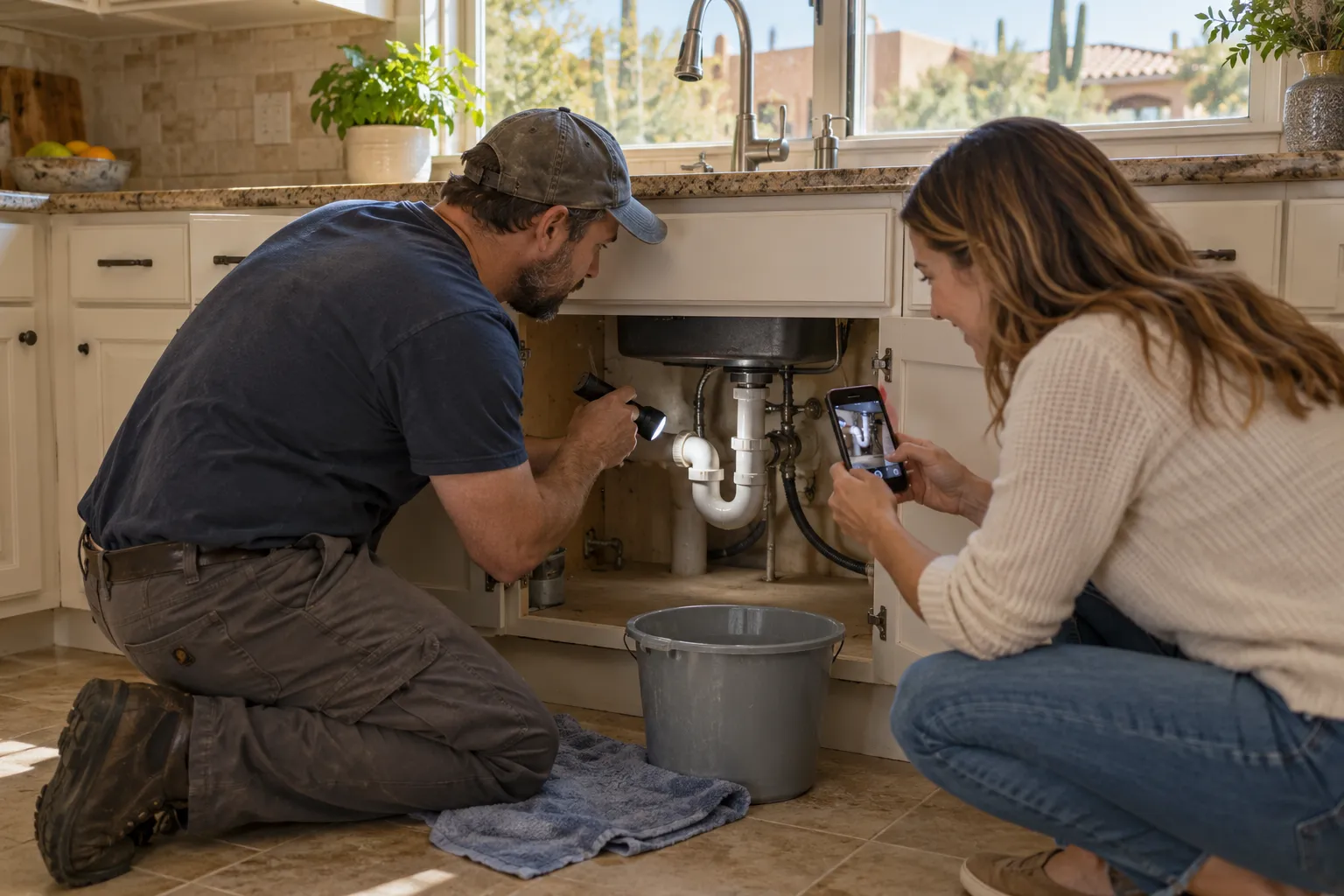
Say you come home and the hallway floor is wet. Or the toilet gurgles and water creeps across the bathroom tiles. That is the moment this page is for. Opinionsbrief Plumbing is a referral service that connects homeowners in the San Diego area with independent local plumbing providers.
Opinionsbrief Plumbing does not do the repair. A provider in our network does. What we do is help you stay organized. Take photos, write quick notes, then make your calls. Ask for a written estimate, compare your options, and decide at your own pace. A calm, no-obligation next step is always yours to take.
Say you walk in after work and hear water running in a wall. Your heart jumps. Take a breath. You can handle this in a few small steps.
First, stop the water if you can. Next, keep everyone safe. Then take a few photos. After that, make your calls. Request a callback to check provider availability in your area.
Think of this as a short checklist you can follow with wet socks and a racing mind.
Some problems cannot wait. Others feel scary but can be handled with a calm plan.
A slow drip under a sink is different. Put a bucket under it, shut the small valve beneath, and book a visit when it suits you.
Picture a stucco ranch home on a slab. A pipe weeps under the floor. You do not see it. The floor feels a bit warm and the water bill creeps up. A week later, the baseboards swell.
Hidden water spreads quietly. It can soak drywall, lift flooring and feed mold. Acting early keeps the mess smaller, and that often keeps the repair smaller too. Many providers can respond quickly, but availability varies, so ask.
This is our simple rule. Before you mop, take pictures. Shoot wide shots of each room, then close-ups of the leak, the wet wall and any ruined items. Add a short video if water is moving.
Then jot down notes on your phone:
These notes help a provider understand the job fast. They also give you a clean record if you talk with your insurer later.
A provider usually starts by finding the source. They may use listening gear, pressure checks or a camera. Then they explain what they see and what the options are.
Often the first goal is to stop the damage. That might mean capping a line, replacing a broken section or swapping a failed valve. Bigger fixes, like repiping or opening a slab, may come as a second step with its own estimate.
You may think burst pipes only happen in snowy places. Not always. In older bungalows, pipes can corrode and give way on an ordinary afternoon. In 1950s to 1980s tract homes, aging fittings and high water pressure cause leaks too.
Winter rain events can shift soil and stress buried lines. Rare cold snaps can still freeze exposed pipes on outside walls. If a pipe is frozen but not broken, leave the faucet slightly open and ask a provider before you use heat.
Say you step into the garage and find a puddle under the tank. Turn off the power or gas to the heater, close the cold water valve above it, and take a photo of the label and the leak.
The label helps a provider bring the right parts. A tank that leaks from the body is usually done. A leak from a valve or fitting may be a smaller fix.
A toilet that will not flush is annoying. Sewage rising in a tub is a bigger deal. Stop using water in the house, since every flush or load of laundry adds to the problem.
Providers offer emergency drain clearing and other blocked pipe services. If a camera shows a cracked or collapsed pipe, sewer line repair may come up. Ask to see the camera footage and get that quote in writing.
Imagine two estimates on your counter. One is short and vague. The other lists parts, labor and what happens if the plan changes. Which one helps you decide?
Compare, then decide. Look at the scope, the materials, the timing and what is not included. A higher number is not always a better plan, and a lower one may leave things out. You can say "let me think about it" with no obligation.
Some policies may cover sudden damage, though slow leaks and worn pipes are often treated differently. Check your policy and ask your insurer what they need.
Providers can often help document damage for a claim. Keep your photos, notes, receipts and the written estimate in one folder. Do not throw out damaged parts until you know whether anyone wants to see them.
Once the water is back on, walk the house with the provider. Look at the repair, run the taps and check under sinks. Take a final set of photos.
For the next few days, watch for damp spots, musty smells or a rising water bill. Save the invoice and any warranty papers. Then think about a yearly check of shut-off valves, hoses and your water heater.
A provider traces where the water starts, so the repair targets the real source and not just the wet spot you can see.
Providers can stop the flow, cap a line or replace a failed valve to limit further damage.
Ask for scope, parts and labor in writing so you can compare, then decide.
Many providers can note findings and take photos that support a claim conversation with your insurer.
Prices change with the home, the pipe material, access and the hour of the visit. These are typical U.S. ranges only. Always ask for a written quote that lists parts, labor and any visit fee before work begins.
| Item | Typical range | Notes |
|---|---|---|
| Emergency visit and diagnosis | $100 – $400 | Often applied toward repair; ask first |
| Burst or leaking pipe repair | $150 – $1,500 | Depends on access and pipe type |
| Shut-off valve replacement | $150 – $500 | Main valves cost more than fixture valves |
| Water heater repair | $150 – $650 | Valves, thermostats or elements |
| Water heater replacement | $1,000 – $3,500 | Tank size and fuel type matter |
| Slab leak repair | $500 – $4,500 | Reroute is often cheaper than opening floors |
Close the main valve, protect dry areas and keep everyone away from standing water.
Capture the leak, the wet areas and the time you first noticed it.
Request a callback to check provider availability and describe what you see.
Review written estimates side by side and choose the plan that fits your home.
A simple order of photos, notes, then calls keeps a stressful moment from turning into a rushed choice.
You are connected with independent plumbing providers who know the homes and soil near you.
Collect more than one written estimate when you can, then weigh scope, parts and timing.
There is no obligation, and every hiring choice stays with you.
Tell us what is going on, and request an estimate. A local provider in our network can reply with next steps. There is no obligation to hire anyone.
No obligationTell us what is going on, and request an estimate. A local provider in our network can reply with next steps. There is no obligation to hire anyone.
No obligation